
Success (Well Sort Of)
Category: Dyeing, fermentation dyeing
Madder fermentation experiment 2 was much more successful than the last. I was perhaps a little over ambitious in deciding to go for purple using madder. This what I did. Experiment 2 : 22.6.24 3000ml. water + 50 grams wheat bran + 150 ml. sourdough starter + c.100 grams wool put in a plastic container. 27.6.24 140 grams madder added. I stirred the mix daily. While bubbles were continuous, when it slowed down, I added
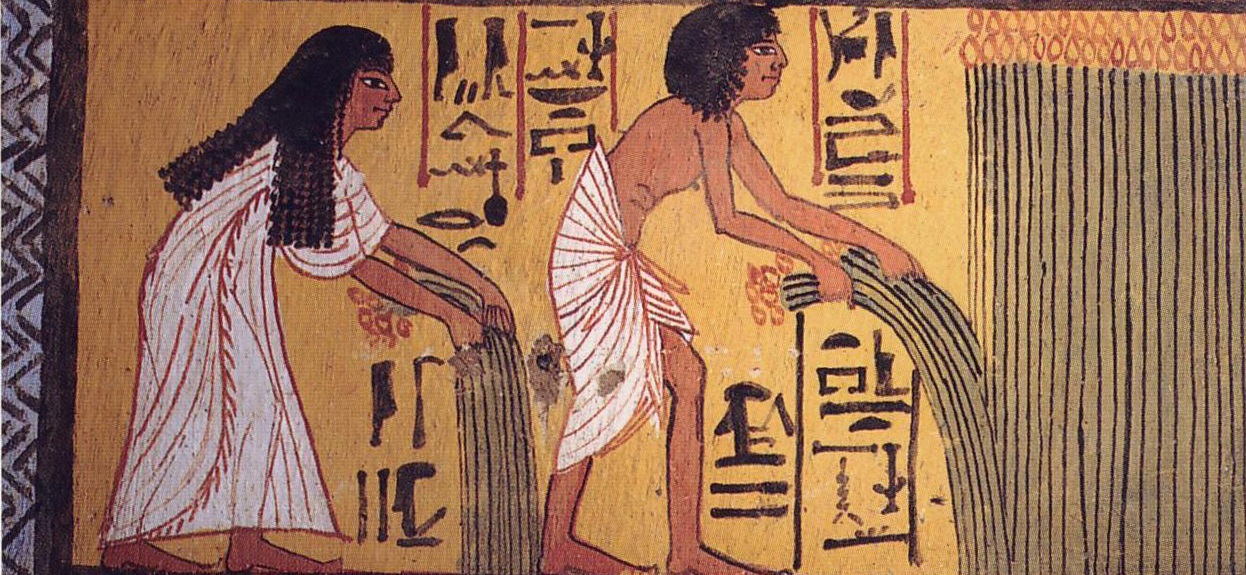
We sometimes think that how we do things is the way it’s always been done. But sometimes it’s worth questioning that. The ancient Egyptians were able to weave very fine cloth up to 60 threads per centimetre!1 How did they do that? Was it by the way we do things, or did they use some other method?While it might be thought that it was the spinning and weaving methods that were necessary to achieve such
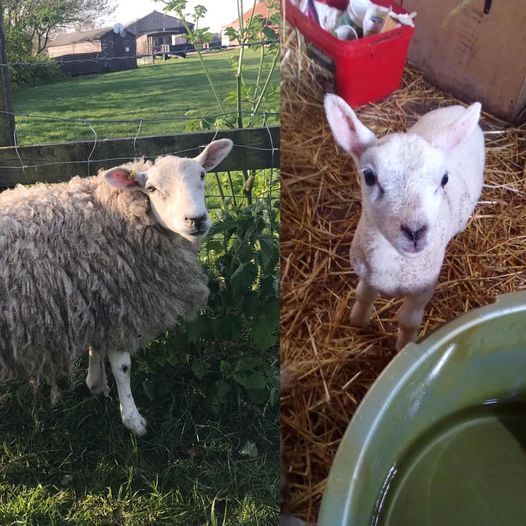
The story of Baby who lives at The Same-Star Sheep Sanctuary (https://www.facebook.com/samestarsheep) Baby was the catalyst for starting a sheep sanctuary. Baby has a touching back story to how he came to live at the Sanctuary, which I quote from their FB page: My Beautiful Baby- Time for a bit of honesty; Baby, like all of my sheep, means so much to me. But whenever I think of his backstory I feel a heaviness which
Fermentation in Dyeing: Does it Work?
Category: Dyeing, ethics, fermentation dyeing, heritage, madder
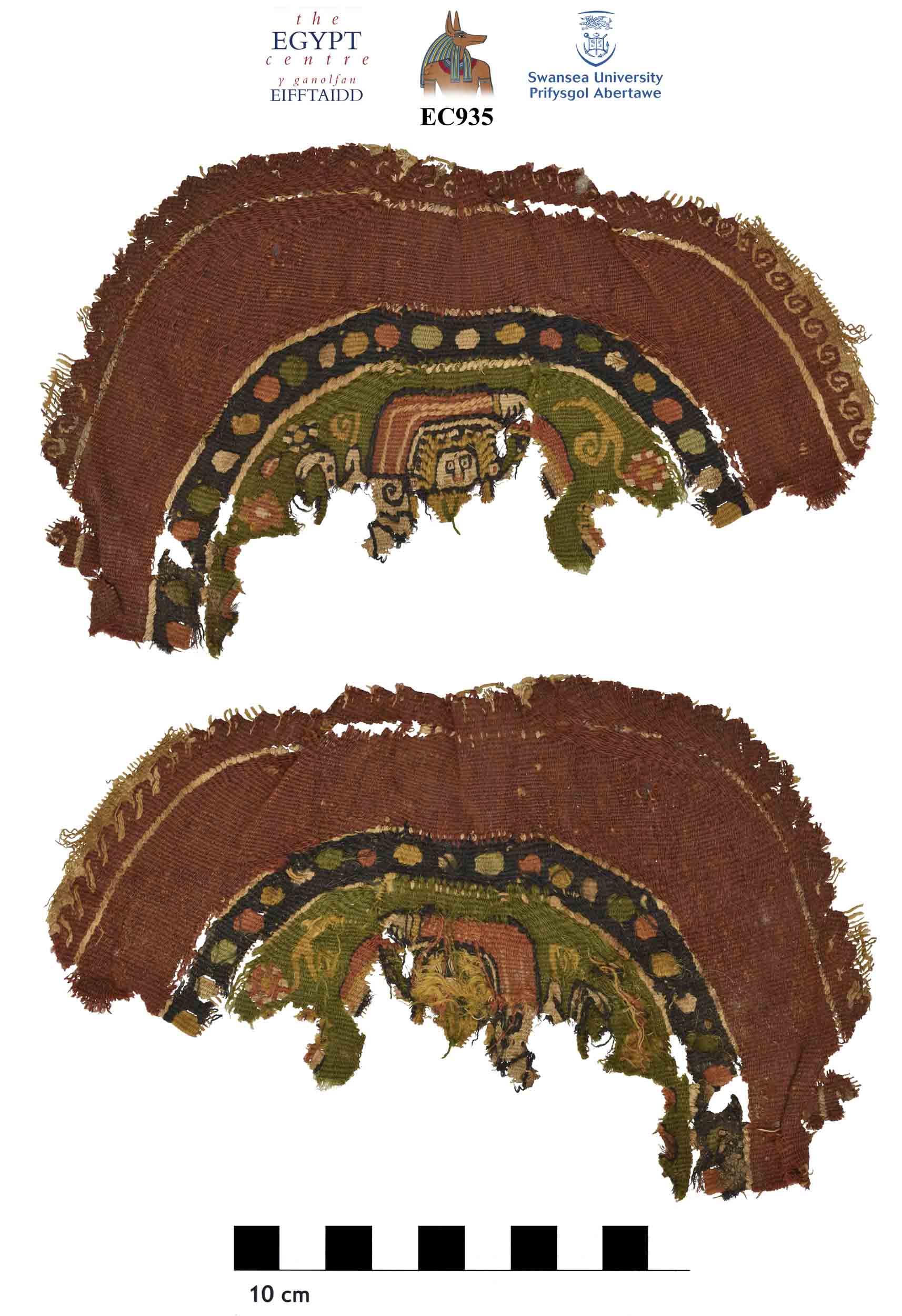
I don’t know. But how are those beautiful colours in old carpets or Egyptian Coptic textiles like the one in the image above still holding their brightness? Or even earlier, this rug, now in the Hermitage which dates to 400BC? In my search for sustainable natural dyeing I came across the fermentation method as practiced by Manfred Bierber. The carpet pictured above also seems to have been made using the same technique. I don’t know
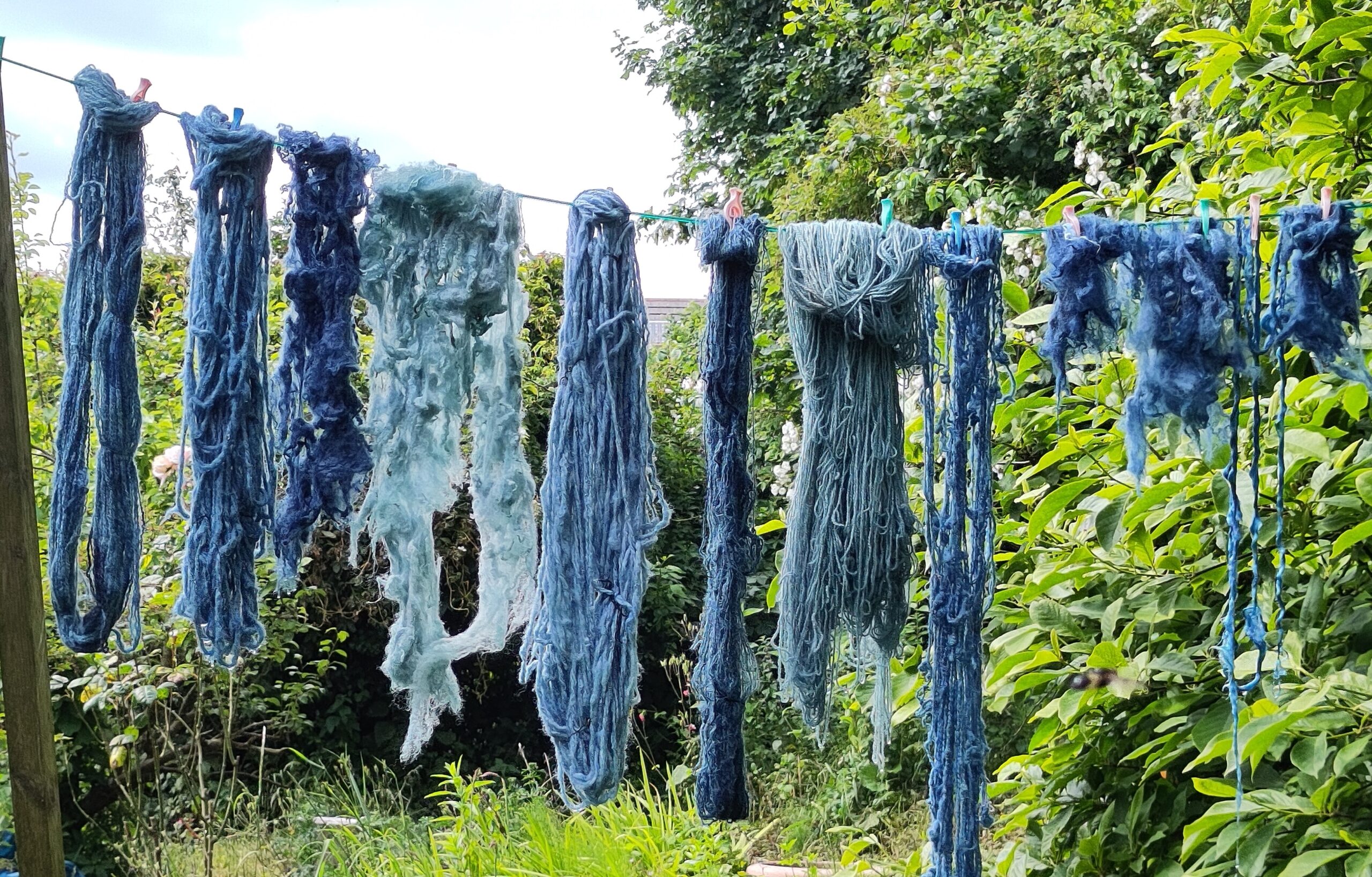
Feeling pleased, not blue. Last year I tried the 1-2-3 woad-dyeing method developed by bio-chemist Michael Garcia and failed miserably. Today, I tried again and this time managed to achieve some success. The picture shows some some double dipped wool skeins and also washed but not otherwise processed wool, and, on the far right some seacell fibre. I really wanted the 1-2-3 method to succeed as it is more environmentally friendly, using only woad/indigo, fructose







One Response
Wonderful deep red! want to try this. Thanks for sharing your experiences.